

On 24 September 2026, we celebrate our auditors across the globe and recognise the vital role they play in both strengthening both our network and our profession.
This year, we will highlight the strength of our global Audit community and the expertise, integrity and dedication our people bring to clients, colleagues and communities, every day.
To bring this story to life, we have interviewed leaders from around the network, sharing their authentic perspectives. Their insights will demonstrate that, while working in different markets and cultures, we are all united as ONE BDO, through a shared commitment.
This year, we're putting the voice of our audit leaders at the heart of Auditor Proud Day. Through a series of short interviews, we bring their perspectives, experiences and passion to the forefront, creating an authentic celebration of the people and purpose behind our profession.
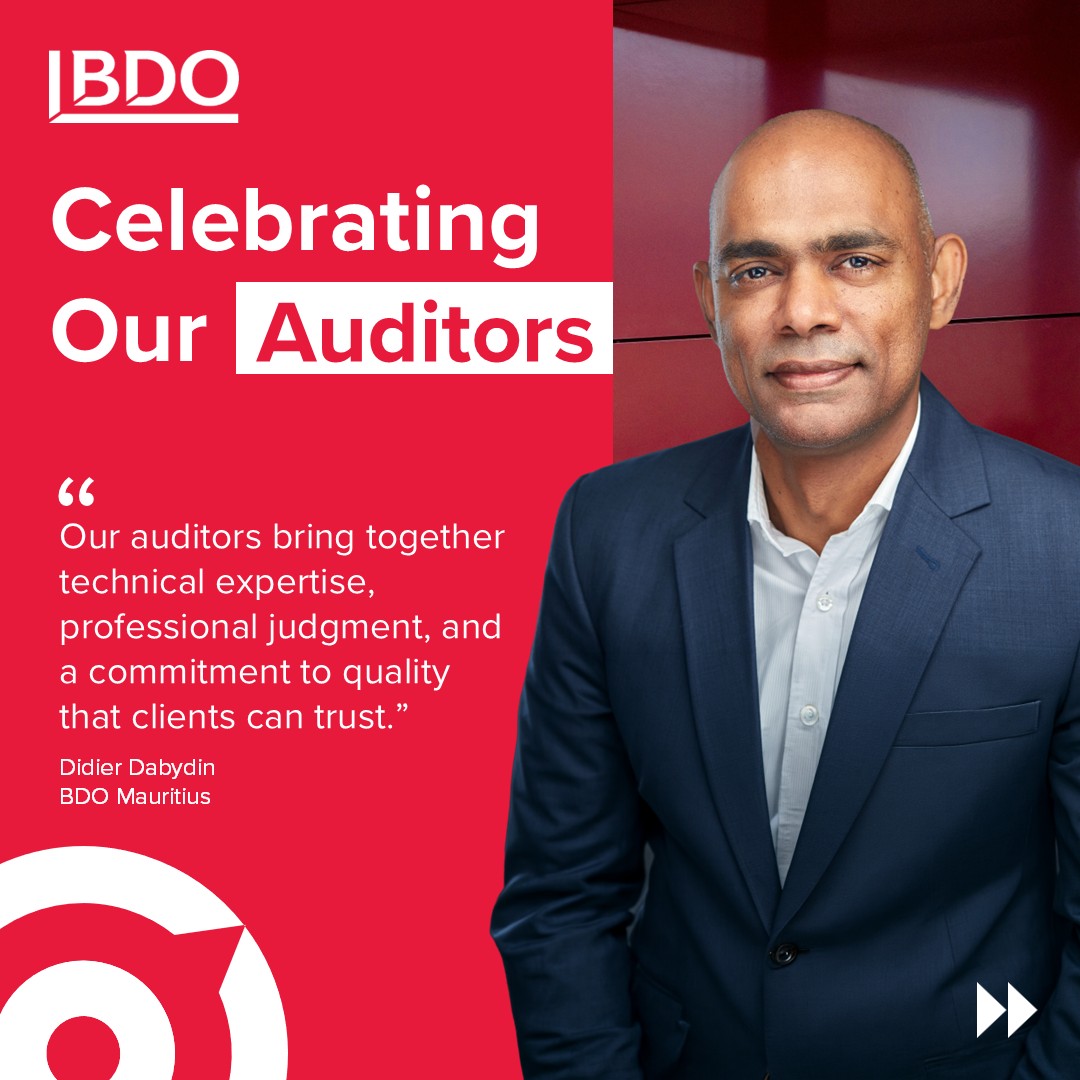
At BDO Mauritius, we really feel that we are part of the BDO family. Over the years, we have overcome many challenges together and this has built trust among colleagues and solidify our professional alignment and shared purpose. Our auditors bring together technical expertise, professional judgement, and a commitment to quality in everything they do. At BDO Mauritius, we support growth through continuous learning, collaboration, and investment in capability building. By creating opportunities to develop both technical and soft skills, we help our people stay ready for the future while continuing to deliver value today.
Trust is fundamental to well-functioning economies and organisations. Auditors contribute to that trust by providing independent assurance that supports transparency, accountability, and informed decision-making. Businesses, investors, regulators, and other stakeholders rely on confidence in financial information. Through objectivity, professional scepticism, and adherence to the highest ethical standards, auditors help strengthen that confidence and support sustainable growth. In this way, auditors play an essential role in helping organisations and communities move forward with certainty and trust.
Innovation is transforming the audit profession by enabling deeper analysis, greater efficiency, and enhanced insights through the use of data analytics, automation, AI and digital tools.
While technology is changing how audits are performed, human judgement remains central to the audit process. Understanding context, assessing risk, exercising professional scepticism, and making informed decisions are responsibilities that continue to rely on the expertise and experience of auditors. Client relationship remains essential to our work and this can only be achieved through human interaction.
The future of audit lies in the combination of innovation and human insight. Together, they strengthen audit quality and reinforce trust.
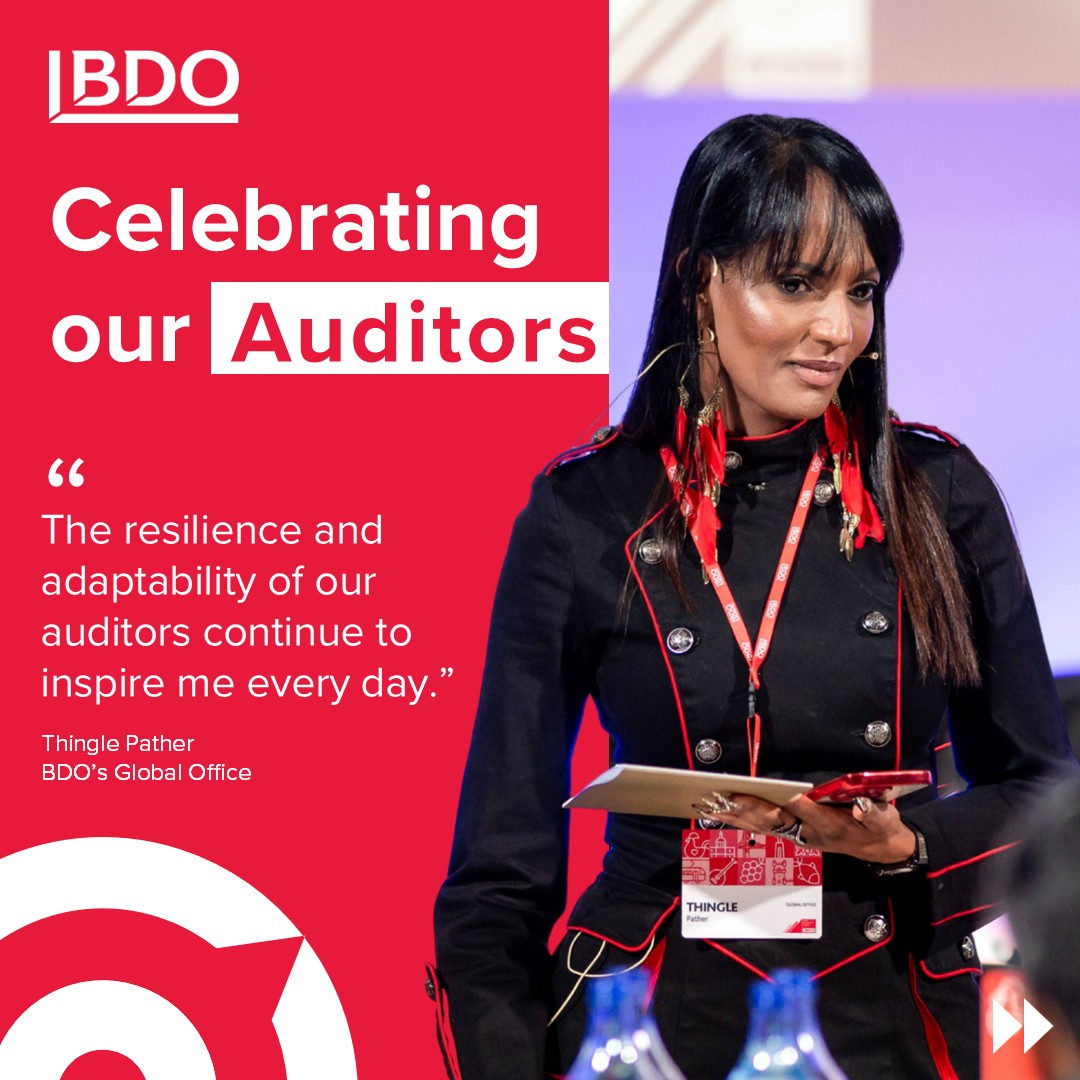
At BDO, what makes us most proud of our auditors is their unwavering commitment to quality and professionalism. They consistently demonstrate resilience and adaptability in a rapidly changing environment. We are investing in their future by equipping them with advanced technical training, exposure to diverse industries, and opportunities to develop leadership and digital skills. This ensures they remain agile, confident, and ready to meet tomorrow’s challenges.
Integrity lies at the heart of auditing, and our auditors play a unique role in safeguarding trust. By providing independent assurance, they help businesses demonstrate transparency, give investors confidence in financial reporting, and strengthen accountability across society. Their work builds credibility in markets and reinforces the social contract between organisations and the communities they serve.
Innovation is transforming the way we audit, from data analytics and automation to AI‑driven insights. These tools allow us to test more data, identify risks faster, and deliver deeper value to clients. Yet technology alone cannot replace human judgment. Auditors’ professional scepticism, ethical reasoning, and ability to interpret context remain essential. It is the combination of cutting‑edge innovation with human insight that ensures our audits are both rigorous and meaningful, creating confidence for the future.
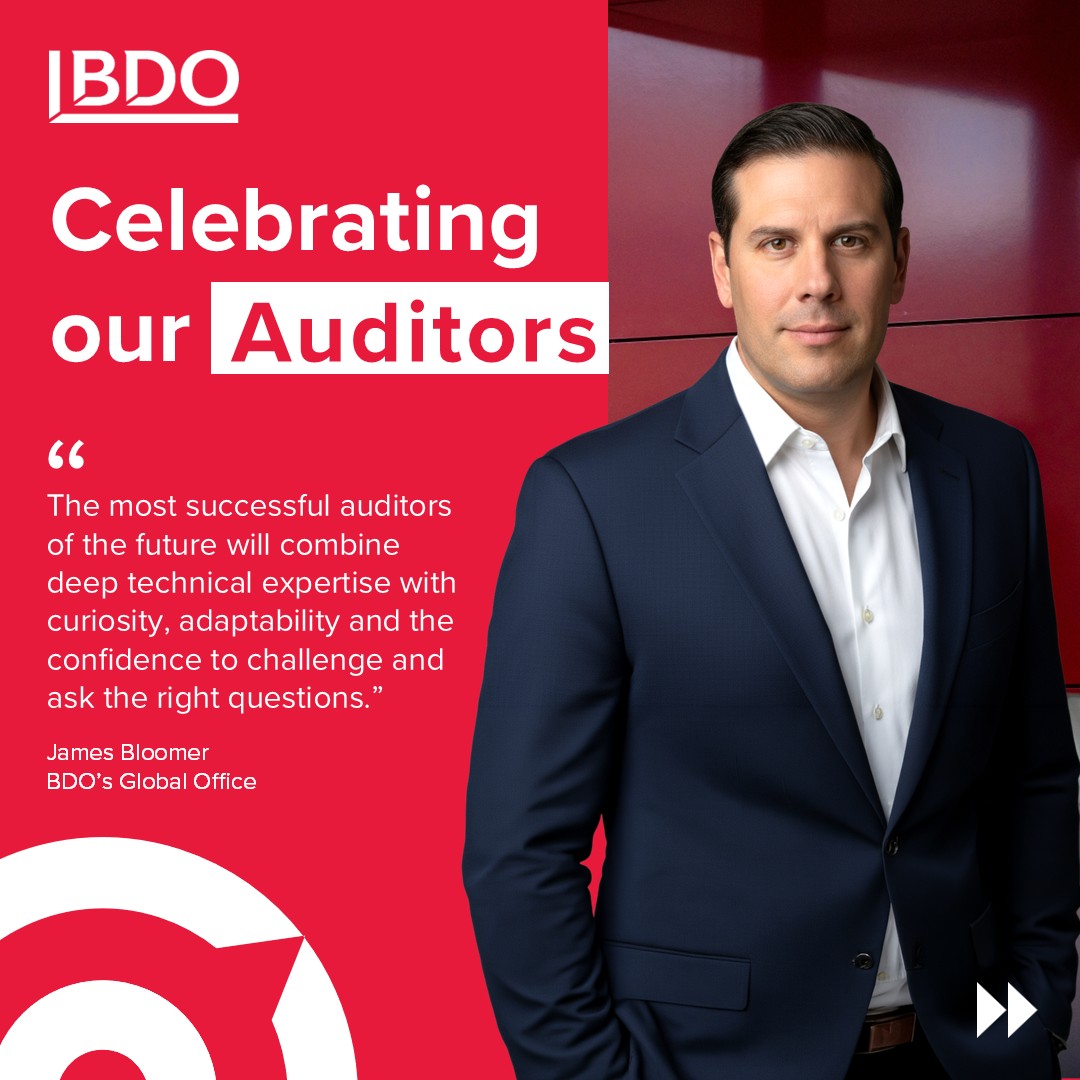
I’m most proud of the professionalism and commitment of our auditors, particularly as the role becomes more complex and demanding. The future auditor will need a much broader skill set than simply being technically strong. We are helping our people develop through better use of technology and data, alongside strong professional, commercial, communication, and leadership skills. I believe the most successful auditors of the future will combine deep technical expertise with curiosity, adaptability and the confidence to challenge and ask the right questions.
At its simplest, audit is about creating confidence. Businesses, markets and wider society need to know that the information they rely on can be trusted. Our auditors provide that independent challenge – applying professional scepticism, judgement and integrity to what they see. As businesses and markets become more complex, that role becomes even more important. I see auditors as an essential part of the infrastructure that allows businesses, markets and economies to make decisions with confidence.
Technology will fundamentally change how we audit. AI, data analytics and automation will allow us to analyse more information, identify patterns and risks earlier, and spend less time on routine tasks. It creates an exciting opportunity to make audits more efficient and, importantly, more insightful. But technology cannot replace human judgement. Understanding context, challenging assumptions, spotting what doesn’t feel right and having the confidence to ask The future of audit isn't about humans versus technology; it's about combining the best of both to deliver even greater quality and value. difficult questions will remain critical. The future of audit is therefore about combining the power of technology with human insight – making our auditors more effective, not replacing them.
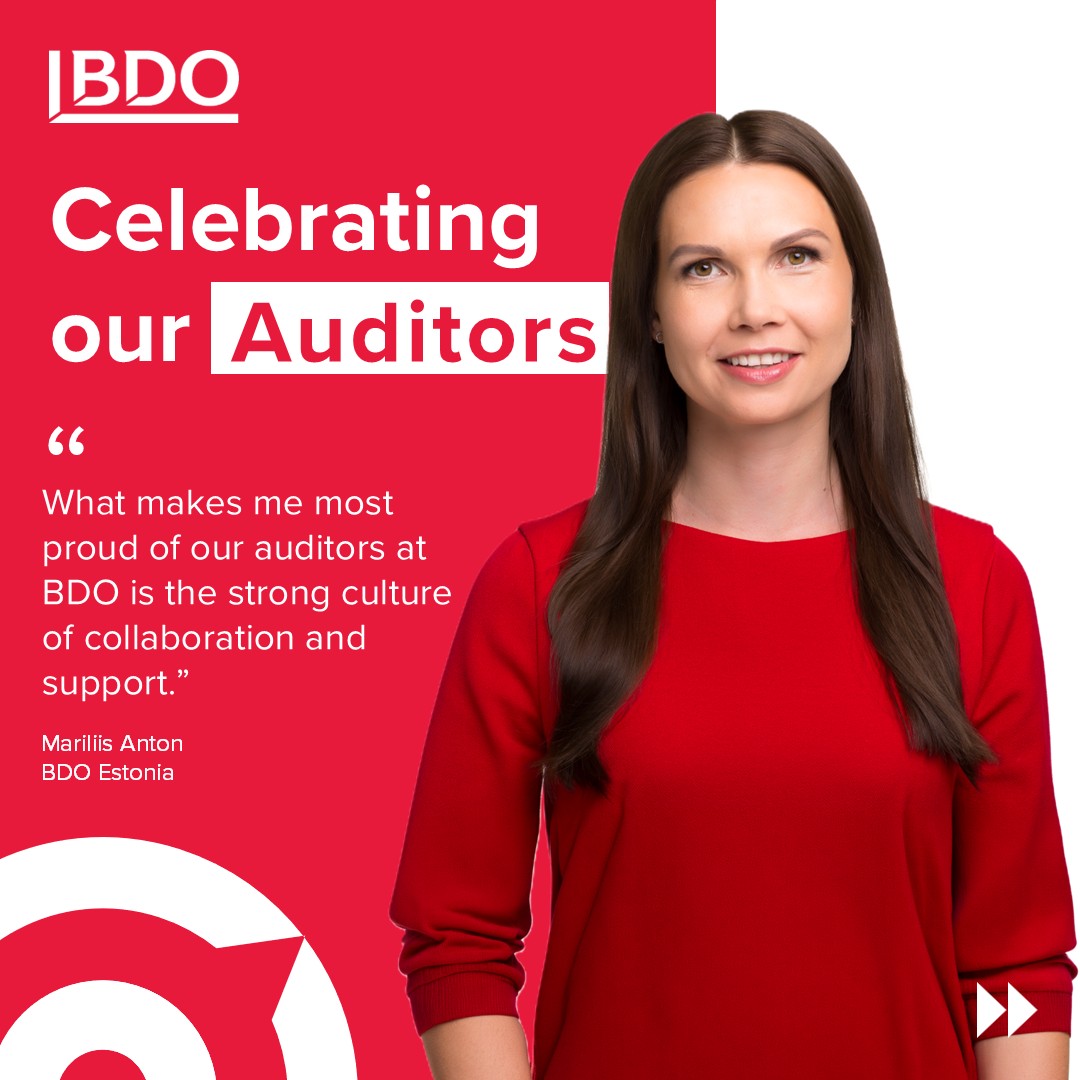
What makes me most proud of our auditors at BDO is the strong culture of collaboration and support. Our auditors are willing to help one another, share knowledge, and act as role models for younger colleagues. We help them build the skills needed for the future through continuous learning, practical experience, mentoring, and by encouraging the development of both technical expertise and professional judgment.
Auditors play a unique role in creating confidence for businesses, investors, and society. By providing independent assurance and maintaining the highest standards of integrity, auditors help ensure that financial information is reliable and transparent. This trust supports informed decision-making and contributes to the stability and credibility of markets and organisations.
Innovation is transforming the way we perform audit procedures by increasing efficiency, improving data analysis, and reducing manual work. However, human insight remains just as important as technology. Critical thinking, and the ability to understand the broader business context are essential qualities that technology cannot replace.
What makes me most proud is how our auditors combine professional excellence with curiosity, teamwork and a strong sense of responsibility to society. At BDO Netherlands, Every day, our auditors are committed to quality and to making a meaningful difference.
We help them prepare for the future by developing not only their technical expertise, but also their professional judgement, critical thinking and communication skills. I believe our people will always be our greatest strength.
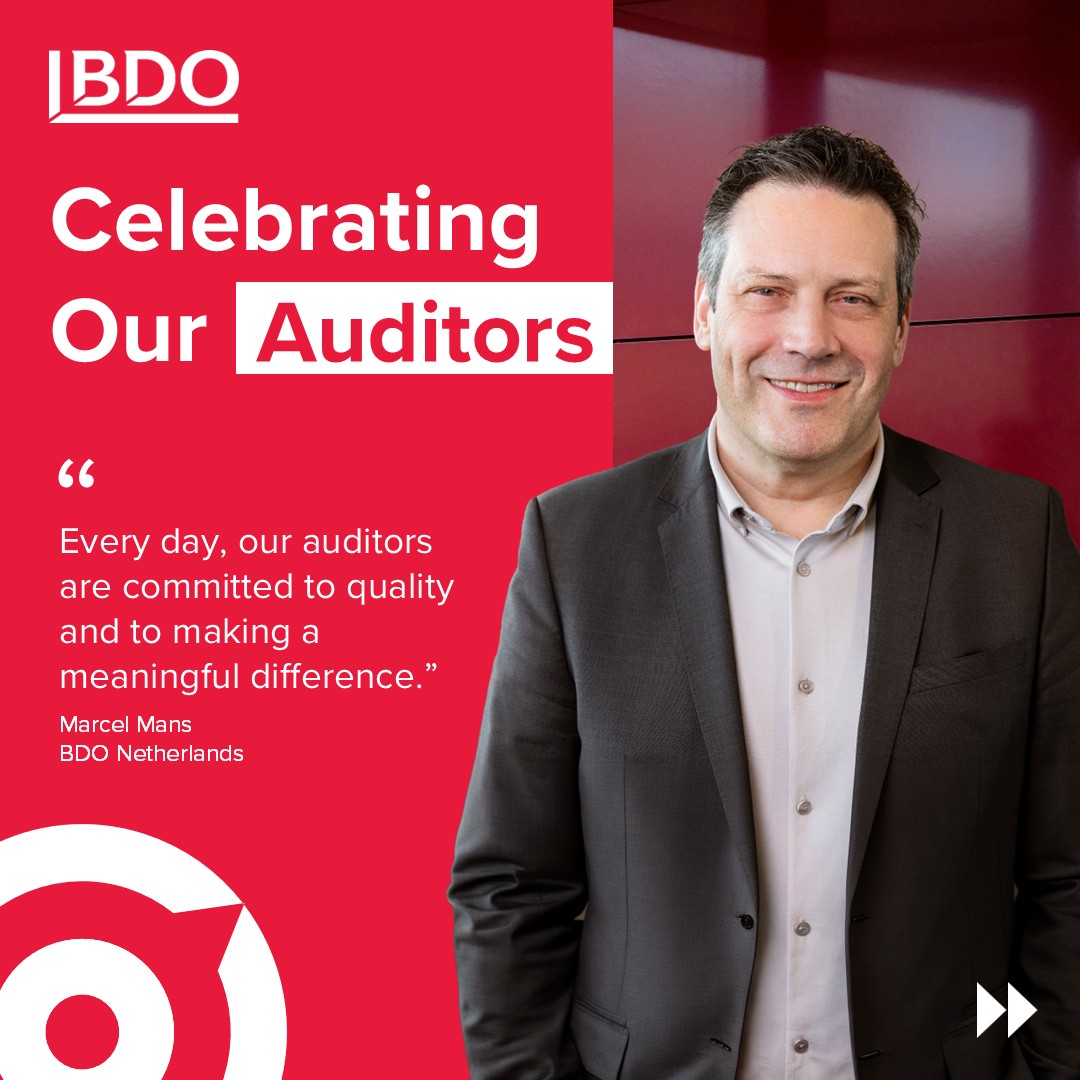
I believe auditors have a unique role because we work closely with organisations while remaining independent in our judgement. We challenge assumptions, bring facts to the surface and provide confidence in information on which important decisions by stakeholders are based.
By strengthening transparency and accountability, auditors contribute to trust in businesses, markets and society.
Innovation allows us to analyse more data, identify risks earlier and gain deeper insights. This strengthens both the quality and relevance of our audits.
But technology cannot replace professional judgement. Understanding context, asking the right questions and recognising what really matters requires human insight, experience and integrity. I believe the future of audit lies in combining the power of technology with the judgement and personal attention of our people.
What makes me most proud is the integrity our auditors bring to their work, day in, day out. They know the entity and its business, and they apply professional judgement with a healthy dose of skepticism – challenging what they see, not simply corroborating it. Just as important, and perhaps a greater source of pride, is the ‘safe environment’ our firms and engagement leaders create for auditors to speak up when something doesn’t look right. That takes courage, and I see it in our teams around the world.
Building the skills for what comes next is a long-term investment. Auditors work in a business environment that never stands still, so they have to stay agile and current. Modernising our methodology and technology frees engagement teams from spending their time on manual steps, leaving more time for risk assessment, data analysis and judgement. Our learning has to modernise too – shifting from traditional training towards simulation and scenario-based sessions that build the skills hardest to teach: skepticism, challenge and clear communication. AI literacy matters now, not just in future. It helps our teams use these tools safely and appropriately and understand what our clients’ growing use of AI means for financial reporting.
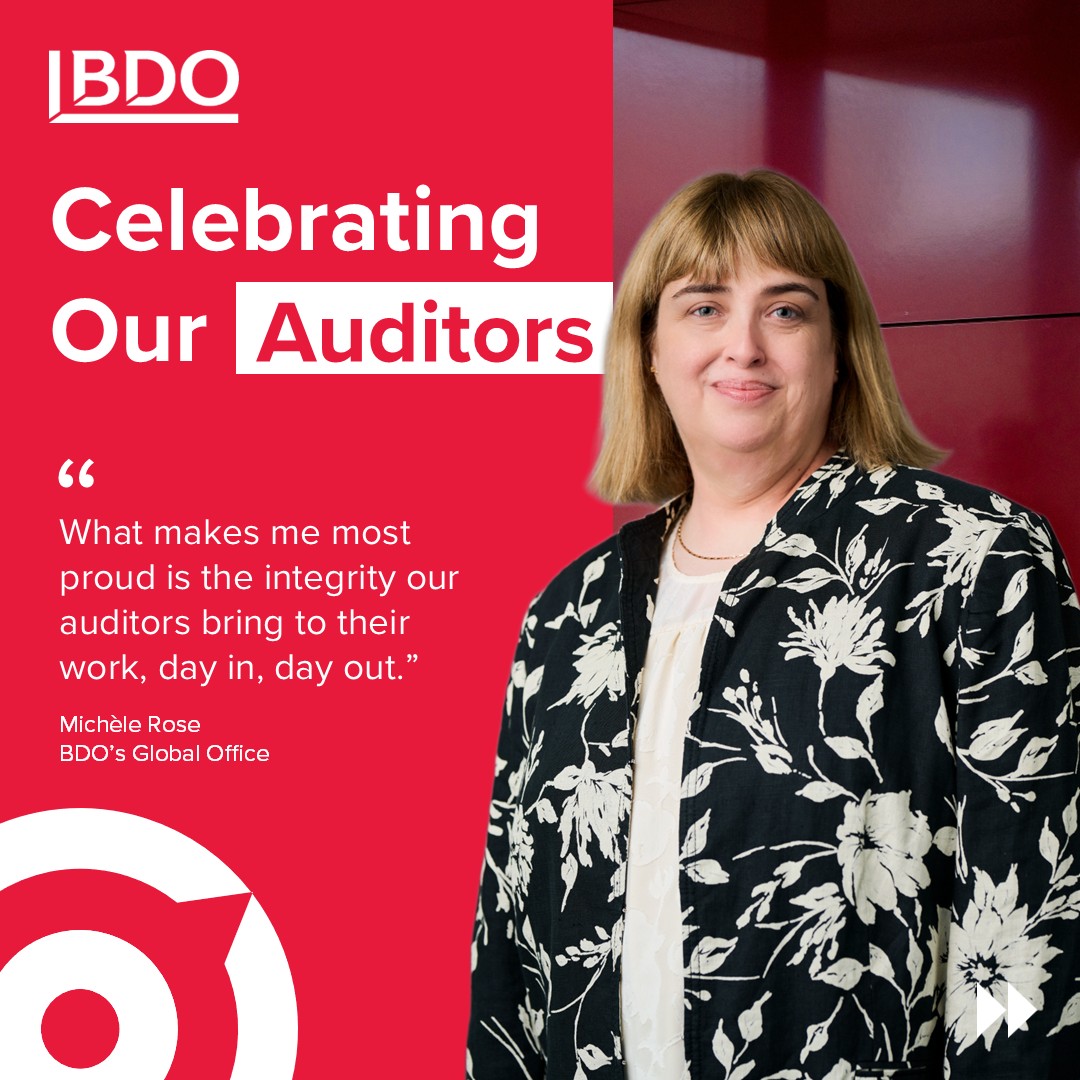
Auditors play a unique role because we protect the public interest while sitting in a position few others can occupy: close enough to understand the business while still remaining independent of management and those charged with governance to challenge it without compromise. That balance matters. It allows us to bring informed scrutiny, professional judgement and robust challenge to the financial statements that several groups of stakeholders rely on.
For businesses, the scrutiny of an audit, in the majority of cases, brings discipline for them – after all, they have to be ready for us! But it can also bring them value – insights on their systems, information from our risk assessment and other activities. But for some, the audit opinion itself is the value they need; for others, the process also helps strengthen confidence in how the business is run.
For investors, our opinion helps inform decisions to invest, hold or divest. That only works if they trust that we have done the work, asked the difficult questions and gathered the evidence needed to support our conclusion.
For society, the impact is even broader. Pension holders, employees, lenders and other stakeholders place confidence in a “true and fair” opinion delivered by a team of people they may never meet. That, I think, is what makes being an auditor both a privilege and a responsibility: our work helps confidence travel beyond the boardroom.
Innovation is changing every aspect of our audit process. With technology including AI, we can use benchmarks to help drive our risk assessment, we can interrogate entire populations of transactions rather than samples, spot anomalies far earlier, and automate confirmations, routine testing and documentation. The effect of this is not simply speed or mechanical — it gives us the time and the evidence to have a sharper focus on risky and judgmental areas.
But technology isn’t the whole story – it supports our auditors rather than doing the job for them. I like to think of technology, including AI, as another team member: to get the best results, you need to know the objective and give specific instructions. This is why the ‘human in the loop’ remains important – we use our auditing experience and knowledge of the client’s business to determine how technology is used, and our professional judgement and skepticism to challenge both the inputs and the results, and to draw a conclusion.
That is why I think we can best describe our ‘BDO Way’ as a technology-enabled but human-led audit approach. Professional skepticism, judgment and the courage to ask a difficult question cannot be automated — and that remain the backbone of our work.