
As tax rules shift at speed, leaders are embracing hybrid models that balance resilience with agility to strengthen compliance and strategy
Tax compliance teams are up against some significant challenges. A dynamic regulatory landscape is forcing them to grapple with changing tax rules and evolving transparency requirements.
This evolution is happening fast. “When legislation passes, it passes very quickly and there are probably more questions than answers that come from it,” says Heather Norko, VP Tax and Treasury at Elastic.
Norko represents a new breed of tax leaders who are tasked with designing compliance frameworks and processes that can both mitigate risk while also offering value-adding strategic support for their business. This task is far from simple, but it has a clear driving force.
In short, leaders need to design a compliance function strong enough to withstand regulatory pressure and nimble enough to react and respond to change.
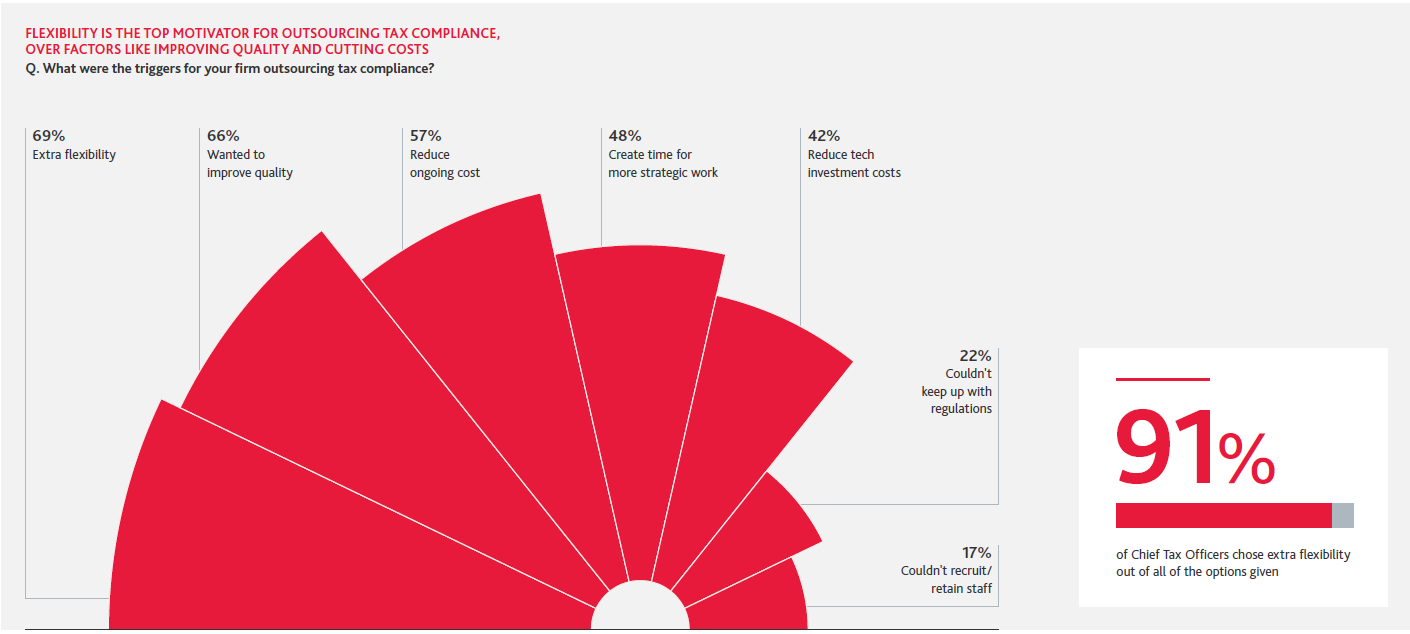
“One of the things we're doing in this more uncertain time - with Pillar Two on the horizon in particular – is to be absolutely, completely flexible,” says Ralf Pieters, Head of Tax at AkzoNobel.
For a growing number, the solution is to adopt a hybrid approach. This may involve targeting skills gaps for investment, developing bespoke in-house technology solutions, and forming strategic partnerships with outsourced advisers to underpin and strengthen key areas.
“Those demands vary depending on the size and the location of the company,” explains Niek de Haan, BDO’s Global Head of Tax. “For example, the regulatory environment in a particular country will inform a company's decisions on developing its own functions in-house (or not).”
This approach allows organisations to scale support up or down to meet seasonal peaks, new jurisdiction entries or sudden audit demands without carrying heavy overheads.
It also removes the risk of compliance function talent pools becoming hollowed out, since the model requires a strong in-house presence to manage and direct operations.
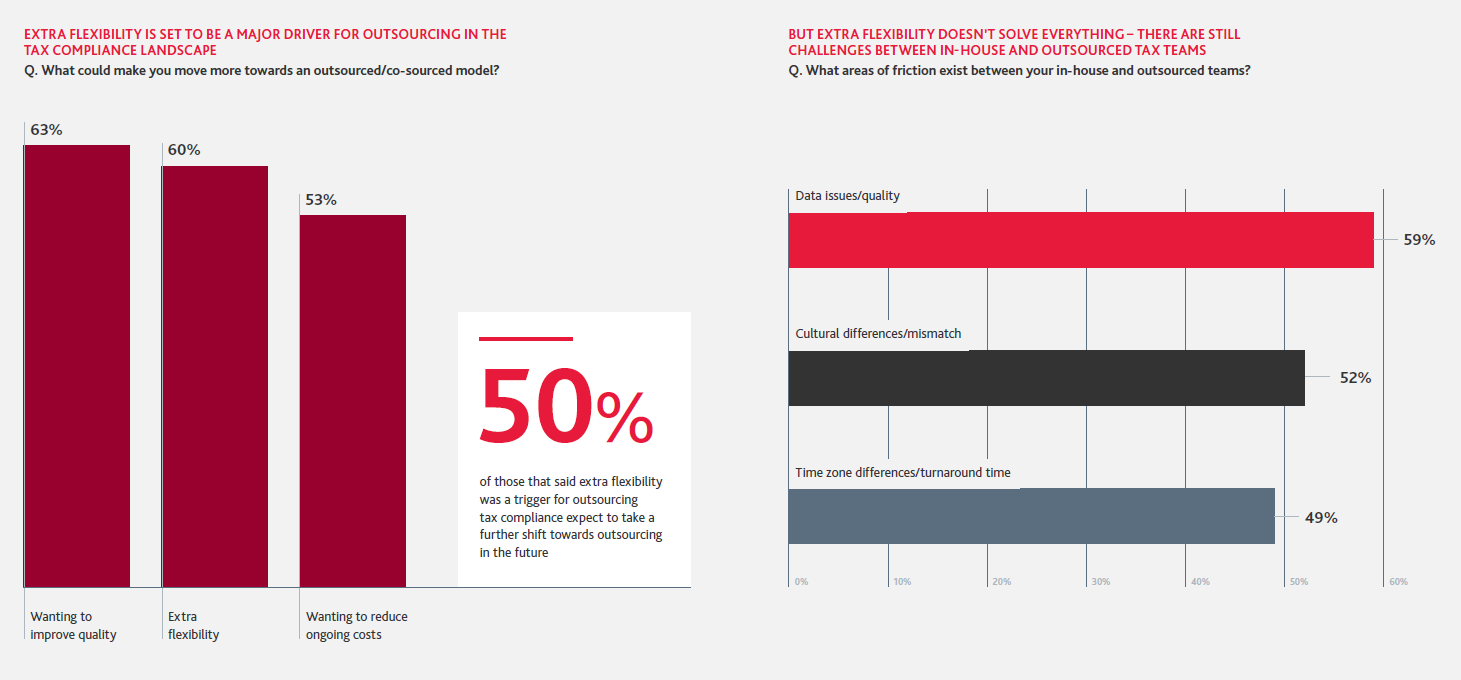
Getting it right is tricky. Hybrid models must have a clear structure of accountability, with trust and collaboration central.
However, success has enormous benefits. “This isn’t just about tax compliance,” says de Haan. “A good advisory partner can help organisations structure investments, design new vehicles, and identify where value is created within the company. It can also create synergies through technology partnering.”